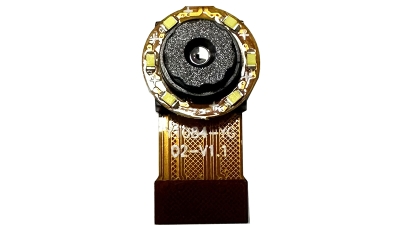
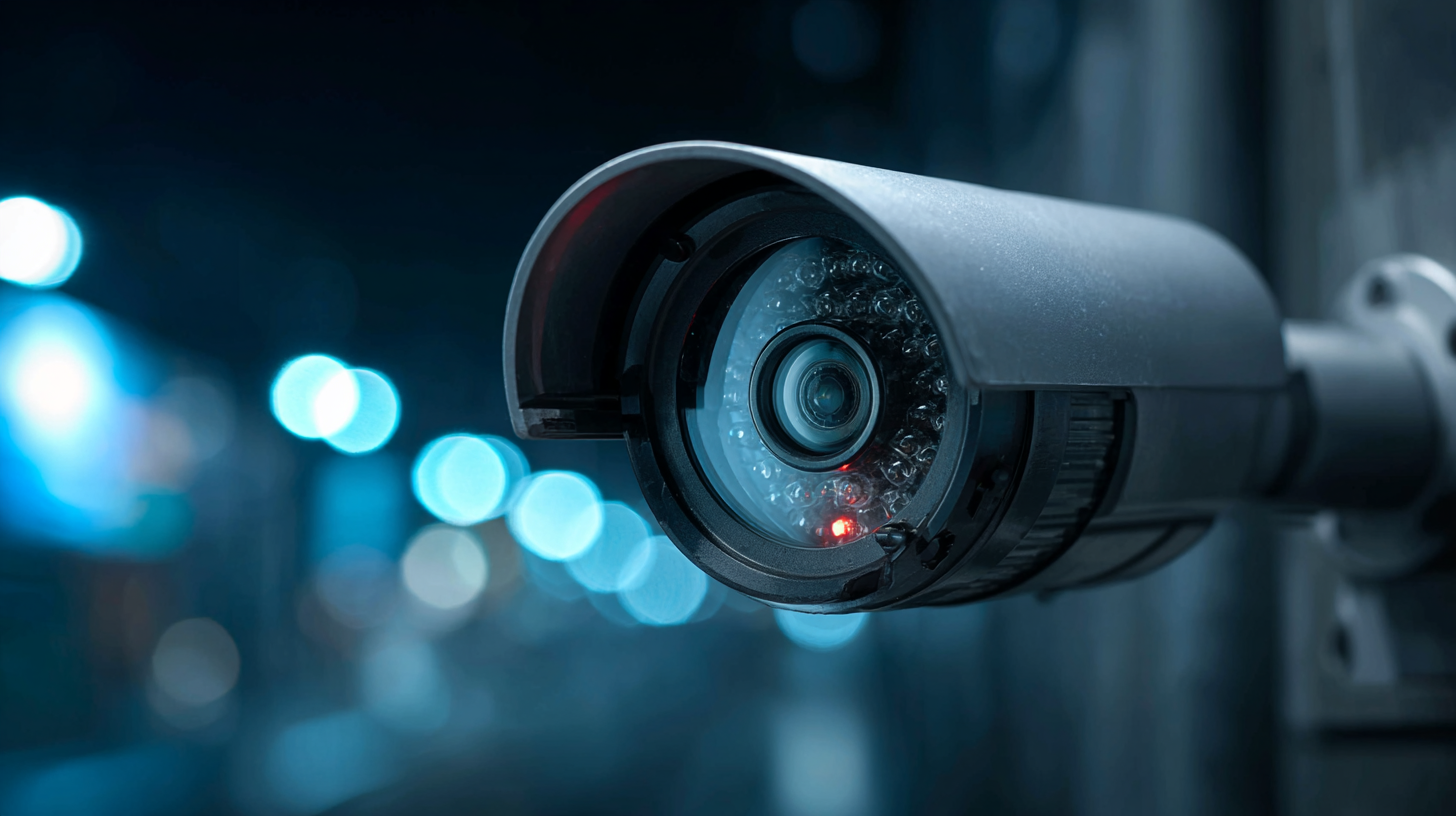
 Hey there! In today’s fast-changing world of surveillance tech, picking the right Ip Camera is super important, whether you’re looking out for your home or managing a business. Looking ahead to 2025, it’s clear that there’s a huge demand for top-notch, reliable camera solutions that not only meet but totally exceed what folks expect. Companies like Shen Zhen You Xiang Da Technology Co., Ltd. are really leading the pack in this area. They’re all about researching, developing, and producing cutting-edge CMOS Camera Modules. With their focus on quality and always striving to improve, You Xiang Da has built a fantastic reputation globally. So in this blog, we’re diving into the latest trends in IP cameras and sharing some tips on how to choose the best model that fits your needs. That way, you can stay one step ahead in the super competitive world of security tech!
Emerging Technologies Reshaping IP Camera Features in 2025
Hey there! So, did you know that the world of IP cameras is about to get a pretty massive makeover in 2025? It’s all thanks to some cutting-edge tech that's shaking things up and changing the game when it comes to features and functions. A recent report from MarketsandMarkets shared that the global IP camera market is expected to shoot up from $10.3 billion in 2020 to over $23 billion by 2026. That’s a whopping growth rate of about 14% each year! A big part of that jump is due to advancements in artificial intelligence and machine learning. These tools are making video analytics way smarter, and things like facial recognition and motion detection are becoming more effective as well.
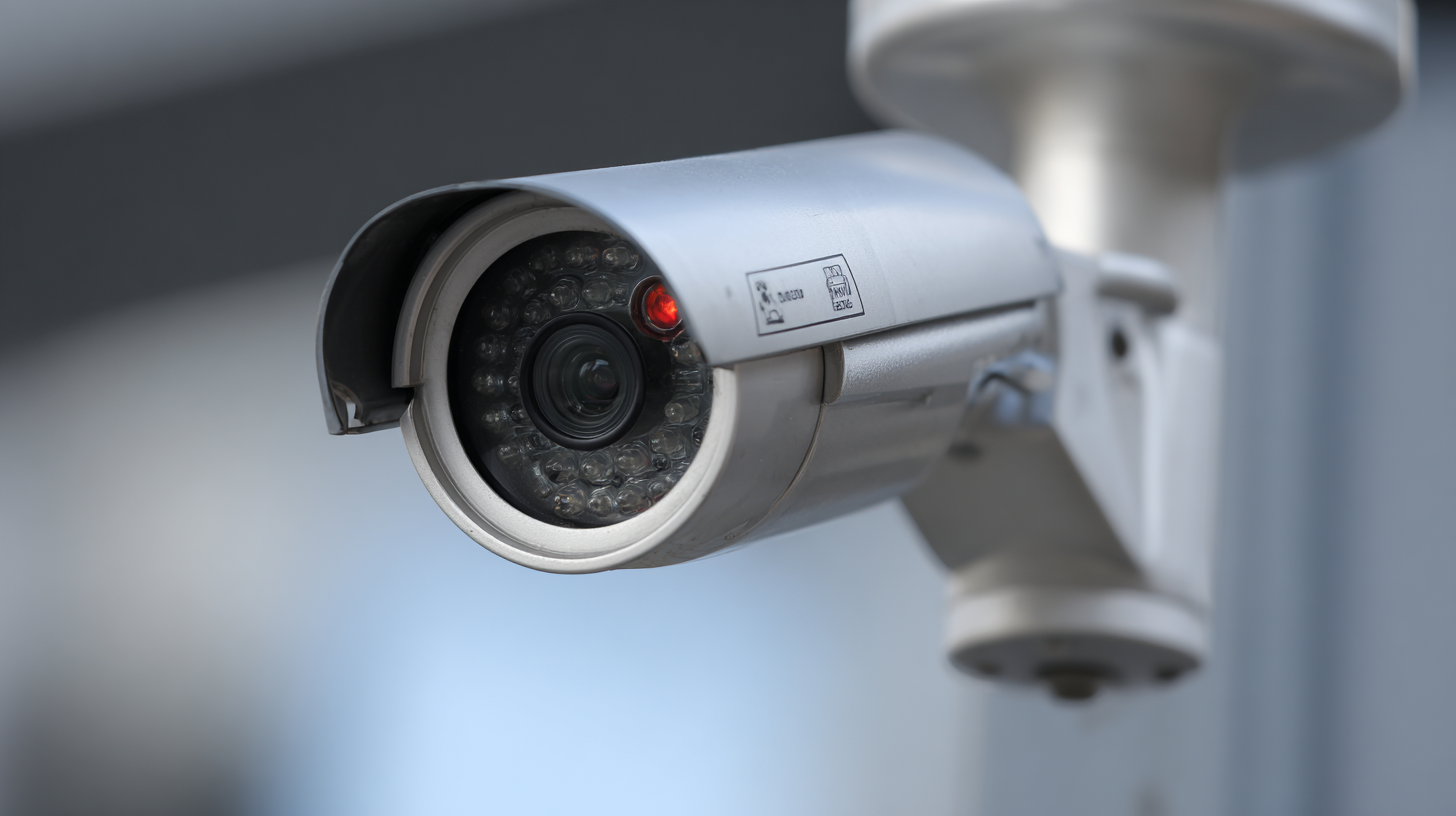
But that’s not all! The Internet of Things is also stepping in, helping devices connect and communicate better with one another. There’s this study from Mordor Intelligence that points out how cloud-based surveillance systems are set to become more popular, especially with the whole software-as-a-service model, which makes things more flexible and scalable for users.
Looking ahead to 2025, we can expect to see some cool features, like edge computing. What’s that, you ask? Well, it means the camera will process data right on-site, which cuts down on lag and bandwidth usage. This could really boost real-time threat detection and response—super important stuff! So, if you’re in the market for an IP camera, keep these game-changing advancements in mind to find the perfect fit for your security needs!
Understanding Resolution and Image Quality Metrics for IP Cameras
Alright, so if you're in the market for an IP camera, it's super important to get a grip on what resolution and image quality really mean. According to a report from MarketsandMarkets, by 2023, the global IP camera market is expected to skyrocket from $10.5 billion in 2021 to a whopping $20.9 billion by 2026. And guess what? A big part of that growth is all about resolution. The higher the resolution, the clearer your images will be, which really boosts your surveillance game. So, think about specs like 1080p, 4MP, or even the trendy 4K UHD options that are becoming all the rage for homes and businesses alike.
Now, that's not all! You also want to keep in mind things like Field of View (FOV) and Dynamic Range. A wider FOV means you can capture a bigger area, which can help cut down on the number of cameras you need to cover everything. Plus, I came across a recent IHS Markit report saying that cameras with a dynamic range over 120 dB are becoming the norm in higher-end models. This basically means they perform way better in tricky lighting conditions. So, when you're out there picking an IP camera, don't just focus on resolution—make sure to weigh these other metrics, too, to really nail down what you need for effective surveillance.
Key Factors to Consider When Selecting an IP Camera Model
So, when you're on the hunt for an IP camera, there are a few important things to keep in mind to make sure it really fits your security needs. First off, let's talk about resolution—it's super important. The higher the resolution, the clearer your images will be, which is totally key for recognizing faces and license plates. Seriously, look for cameras that at least offer 1080p resolution. That way, you get a solid mix of quality without hogging too much bandwidth. And you know what? Some recent studies show that more and more folks are wanting top-notch surveillance solutions, and it looks like high-resolution cameras are gonna take over the market. They’re predicting the analog security camera market’s gonna grow like crazy, with a compounded annual growth rate of over 9.7% from 2024 to 2032. Crazy, right?
Another thing to think about is whether the camera jives well with your existing setup and how scalable it is for the future. With theft, vandalism, and breaches popping up more frequently, you'll want to make sure the camera can easily connect with your current security measures and can grow with your needs. It’s a good idea to pick models that work smoothly with smart home devices or cloud storage solutions.
**Quick Tip:** Definitely keep an eye out for extras like night vision, motion detection, and cloud storage capabilities. And, if you need to monitor the outdoors, don’t forget to look for weatherproof cameras! Investing in the right IP camera can really level up your overall security game, especially now, when the demand for effective surveillance tech is really on the rise.
The Role of AI and Smart Technology in Modern IP Cameras
The integration of AI and smart technology in modern IP cameras is revolutionizing the landscape of security and surveillance. According to a recent report by Markets and Markets, the global AI in the camera market is expected to grow from $1.3 billion in 2022 to $5.6 billion by 2027, reflecting a compound annual growth rate (CAGR) of 33.4%. This growth underscores the demand for enhanced capabilities in monitoring systems, such as real-time facial recognition, object detection, and motion tracking. By adopting these advanced features, users can dramatically improve their security measures and respond more quickly to potential threats.
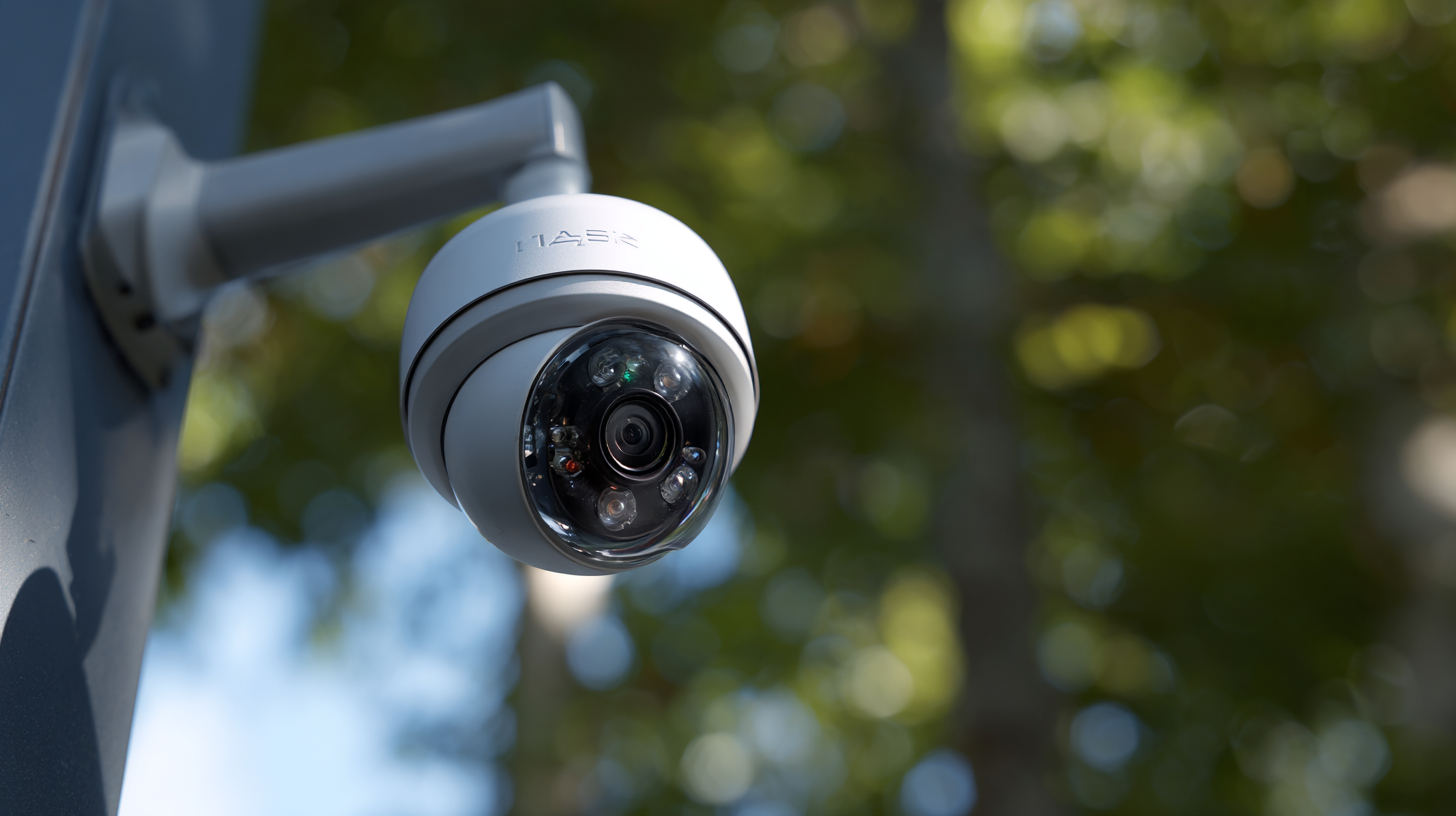
Moreover, smart technology is enabling greater connectivity and convenience. A study by Statista indicates that in 2023, approximately 60% of security camera users will opt for models that support smart home integration. This connectivity allows users to access their IP cameras from anywhere via mobile apps, receive instant alerts, and even interact through two-way audio streams. The amalgamation of AI and smart technology not only enhances the user experience but also provides more intelligent and adaptive security solutions tailored to individual needs. Choosing the right IP camera now involves considering these advanced technological features, which are essential for maximizing safety and efficiency in any setting.
Comparing Wired vs. Wireless IP Cameras: Pros and Cons
Choosing the right IP camera can be a bit of a head-scratcher, right? You've got to decide between wired and wireless, and trust me, it's a hot topic. On one hand, wired IP cameras have a solid reputation for being super stable and reliable. They really don’t get knocked off course by interference, which is a huge plus. A report from MarketsandMarkets even predicts that the wired security camera market will hit $10 billion by 2025. So yeah, there's a lot of faith in how well these cameras perform. They usually provide top-notch video quality, making them perfect for places like corporate offices or high-security spots where you can't afford any hiccups.
But then, you’ve got these Wireless Ip Cameras, which are all about flexibility and easy setup. I mean, no messy cables to deal with? Sign me up! They're great for those temporary setups or spots where running cables is just a total hassle. According to a recent IHS Markit survey, about 60% of folks lean towards wireless models for home use, mostly because it's just so convenient. That said, they can sometimes struggle with bandwidth issues and interference, especially if you’re in a crowded area. So, bottom line? Picking between wired and wireless really depends on what your space needs and how secure you want to be.
Future-Proofing Your Surveillance: Scalability and Integration Options
You know, as surveillance tech keeps advancing, it’s super important to think ahead when investing in IP cameras. One major thing to keep in mind is scalability. You definitely want a system that can grow with you, whether that means adding more cameras down the line or upgrading to better resolution options. A scalable setup means your security can evolve without having to completely tear everything down, which is a big time-saver and easier on your budget, too.
And don’t forget about integration options! Having a system that connects smoothly with what you already have really boosts its overall functionality. So, look for IP cameras that can easily link up with alarm systems, access control, or even those fancy IoT devices. With a centralized management system, you can keep an eye on everything from one dashboard—how cool is that? By putting a focus on scalability and integration, you’re setting yourself up to have a surveillance system that’s not just good for now, but ready for whatever the future throws your way.
2025 Market Trends for IP Cameras
This chart illustrates the expected market share of different types of IP cameras in 2025, highlighting trends towards affordability, image quality, and integration capabilities.
Exploring the Versatility and Applications of the 9mm High-Definition 1080P Miniature Camera Module
The 9mm high-definition 1080P miniature camera module is a remarkable innovation that challenges the limits of compact imaging technology. Designed specifically for miniaturized applications, its ultra-compact size of just 9mm in diameter allows it to fit seamlessly into various devices and systems where space is at a premium. This small form factor does not compromise on quality; with a resolution reaching up to 1080P, this camera module meets the visual demands of today's high-resolution applications.
One of the key features of this miniature camera is its long depth of field optical lens, which ensures sharp and clear images even when the focus is set at varying distances. This capability makes the module ideal for a range of applications including micro probes for medical diagnostics, endoscopes for minimally invasive surgical procedures, visual ear excavators for precise ear cleaning, and pipeline robots for inspecting hard-to-reach places. The versatility of this camera module opens up new possibilities in fields ranging from healthcare to industrial maintenance, providing users with innovative tools for exploration and inspection in confined spaces.
FAQS
I in the camera market by 2027?
AI features such as real-time facial recognition, object detection, and motion tracking enable users to dramatically improve their security measures and respond more quickly to potential threats.
Approximately 60% of security camera users are expected to opt for models that support smart home integration in 2023.
Smart technology enables greater connectivity and convenience, allowing users to access their cameras from anywhere via mobile apps, receive instant alerts, and interact through two-way audio streams.
Scalability is important because it ensures your surveillance system can expand with your growing needs, allowing for the addition of more cameras or upgrades without needing a complete overhaul.
Users should look for IP cameras that support integration with various platforms such as alarm systems, access control, and IoT devices, enabling a centralized management system for monitoring and managing all security aspects.
The integration enhances the user experience by providing more intelligent, adaptive security solutions tailored to individual needs and improving overall functionality.
Factors to consider include advanced technological features like AI capabilities, scalability for future needs, and integration options with existing systems for centralized management.
Future-proofing through scalability allows for adaptation to changing security requirements without a complete system overhaul, saving both time and resources.