In today’s fast-changing tech world, picking the right Security Cameras for your home is more important than ever. I mean, did you see that marketsandmarkets.com says the global video surveillance market is expected to hit around $65 billion by 2023? That’s a huge jump, mostly because folks are more serious about safety at home nowadays. Thanks to the latest advances in CMOS tech, companies like Shen Zhen You Xiang Da Technology Co., Ltd.are stepping up their game, offering top-notch Camera Modules that bring real innovation to home security.
With so many options out there—things like resolution, night vision, and how you connect everything—making the right choice can feel pretty overwhelming. So, in this little guide, we’ll go over the key things to consider when choosing security cameras. Hopefully, it'll help you keep your home safe while taking advantage of all the cool new tech on the market.
Understanding Your Security Needs: Assessing Risks and Priorities
When you're trying to pick out the best security cameras for your home, the first thing to do is really get a clear idea of what you actually need. Think about the unique risks your place might face—like how safe your neighborhood is, the layout of your property, or any spots that might be more vulnerable, like dark corners or easily accessible entrances. Taking a bit of time to evaluate these things will help you figure out which spots need the most attention—whether it’s the front door, backyard, or even the basement.
Once you’ve got a handle on the risks, it’s all about figuring out what features matter most to you. For example, if night-time visibility is something you worry about, go for cameras with infrared night vision. If you’re often out and about, then maybe models with remote viewing and mobile alerts are the way to go. The trick is finding that sweet spot between coverage, image quality, and cool features—all while keeping within your budget. That way, you’re making sure your home stays safe without overdoing it or breaking the bank.
Evaluating Different Types of Security Cameras: Wired vs. Wireless
When you're trying to pick out security cameras for your home, one big decision is whether to go wired or wireless. Honestly, wired cameras are often the go-to because they tend to be more reliable—they get steady power and usually don’t have much trouble with interference or dropped connections. If you're all about having a rock-solid surveillance system, they’re a solid choice. That said, setting them up can be a bit of a project since you might need to run cables through your house, which isn’t always convenient or practical.
On the flip side, Wireless Cameras aresuper flexible and much easier to install. You can pretty much put them anywhere without fussing over wires, which can be a huge plus if you want to DIY your setup. The catch is—they can run into stuff like signal interference, and they rely on batteries, so you might need to keep an eye on those. At Shen Zhen You Xiang Da Technology Co., Ltd., we really get both worlds. Our top-notch CMOS camera modules are designed to handle different security needs, so you can find the perfect fit for your home. Plus, we’re all about staying innovative and delivering quality, so you know you’re in good hands with us.
Key Features to Look for in Home Security Cameras: Resolution and Night Vision
So, if you're trying to pick out security cameras for your house, there are a couple of key features you definitely want to keep in mind: resolution and night vision. I came across a 2022 report from the Security Industry Association that said about 80% of homeowners put high-resolution video at the top of their list when choosing surveillance gear. Honestly, it makes sense — clearer images mean it’s easier to recognize faces or license plates if something happens. I’d suggest going for cameras with at least 1080p (that’s Full HD) or higher; they pick up way more detail, which is super helpful especially from a distance.
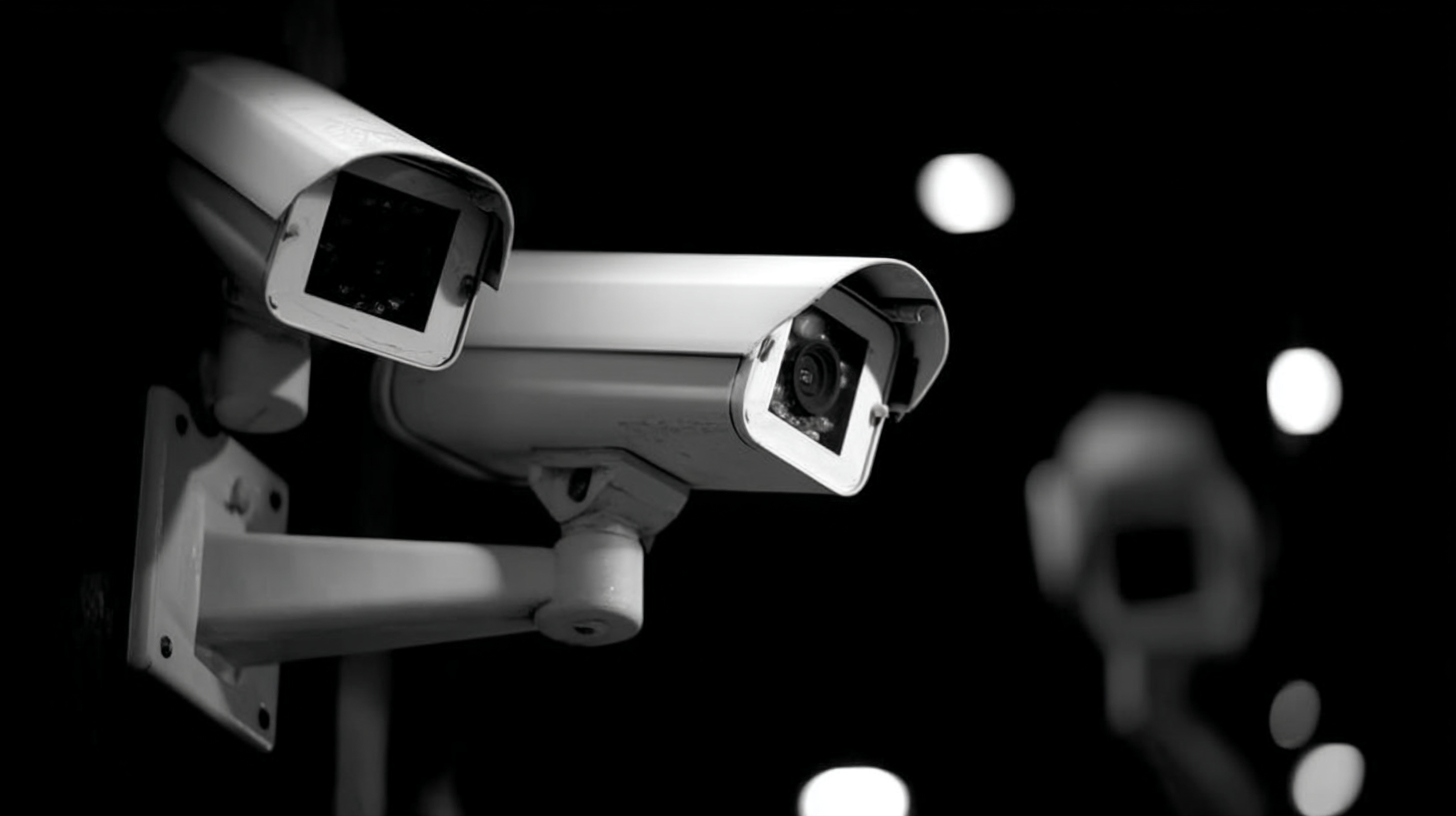
And of course, night vision is just as important. Apparently, a study from MarketsandMarkets predicts that the global night vision camera market will hit around $10 billion by 2026 — that just shows how much people care about nighttime security these days. Modern cameras mostly use infrared LEDs to shoot clear images in the dark, which is a must-have since most break-ins tend to happen when it’s darker. It’s also a good idea to find cameras that offer both color night vision and black-and-white modes. That way, you get better coverage and peace of mind even after the sun goes down.
Integration with Smart Home Systems: Ensuring Compatibility and Connectivity
So, when you're picking out a security camera for your home, it’s pretty important to think about how well it plays with your existing smart home gadgets. I mean, these days, there are some pretty cool devices out there that support multiple protocols, which means your cameras can work nicely alongside your smart hubs. Trust me, this makes managing everything a lot easier and actually boosts your security because all your devices can sync up and work together smoothly.
Just a quick tip—before you hit the buy button, double-check that the camera supports the same smart home protocols as your other devices. And if you can find one that’s compatible with the Matter standard, even better. It really helps cut down the usual hassle with setups and keeps your smart home ecosystem pretty cohesive.
But don’t just go after what’s popular, okay? Take a look at whether the system works well with voice assistants like Alexa or Google Assistant, and also with your other smart gadgets. That way, you get way more control over your home security. Plus, you can monitor everything remotely using a simple smartphone app, and set up routines or alerts that give you peace of mind — it’s like having a security system that actually works for you.
Essential Guide to Choosing the Best Security Cameras for Your Home
This chart illustrates the compatibility of various security camera types with smart home systems, focusing on connectivity and integration capabilities.
Budget Considerations: Finding the Right Balance Between Cost and Quality
When you're trying to pick the best security cameras for your home, how much you’re willing to spend really matters. It’s all about finding that sweet spot between what you can afford and getting good quality security. Honestly, it can be a bit overwhelming because there are so many options—should you go for wired or wireless? Do you need super-clear HD footage? What about night vision, motion detection, or cloud storage? These are the kinds of things to think about.
Looking ahead to 2025, with the way things are tight in lots of areas like housing and healthcare, it’s smart to get savvy with your budget when it comes to home security. Maybe try out a personal finance app to keep tabs on your spending—that way, you won’t accidentally blow your budget. At the end of the day, it’s all about balancing what you really want—like those fancy features—with what you can comfortably afford. That way, you can beef up your home’s security without stressing your finances too much.
Essential Guide to Choosing the Best Security Cameras for Your Home - Budget Considerations: Finding the Right Balance Between Cost and Quality
| Camera Type | Resolution | Price Range | Features | Ideal Use |
| Dome Camera | 1080p | $100 - $250 | Night Vision, Vandal-Proof, Indoor/Outdoor | Home Entryways, Patios |
| Bullet Camera | 4MP | $150 - $300 | Wide-Angle, Weather Resistant, Motion Detection | Driveways, Parking Lots |
| PTZ Camera | 1080p | $200 - $500 | Pan-Tilt-Zoom, Remote Control, Night Vision | Larger Areas, Outdoor Surveillance |
| Wi-Fi Camera | HD 720p | $50 - $150 | Streaming, Smartphone App, Two-Way Audio | Indoors, Small Spaces |
| Smart Camera | 1080p | $120 - $400 | AI Detection, Integration with Smart Homes, Cloud Storage | Home Automation, Child Monitoring |
Installation Tips: DIY vs. Professional Setup for Maximum Effectiveness
So, if you're looking to set up security cameras at home, one of the big questions is: how do you want to install them? Going the DIY route can be pretty tempting - you know, save some bucks and maybe feel a bit more in control. Plus, with all the easy-to-use tech nowadays, a lot of folks find they can handle the installation themselves without much hassle. That way, you get to choose exactly where to place everything, making it more personalized to your space. But a heads up — it does require a bit of technical know-how, and you'll need to spend some time fiddling with it to make sure everything works just right.
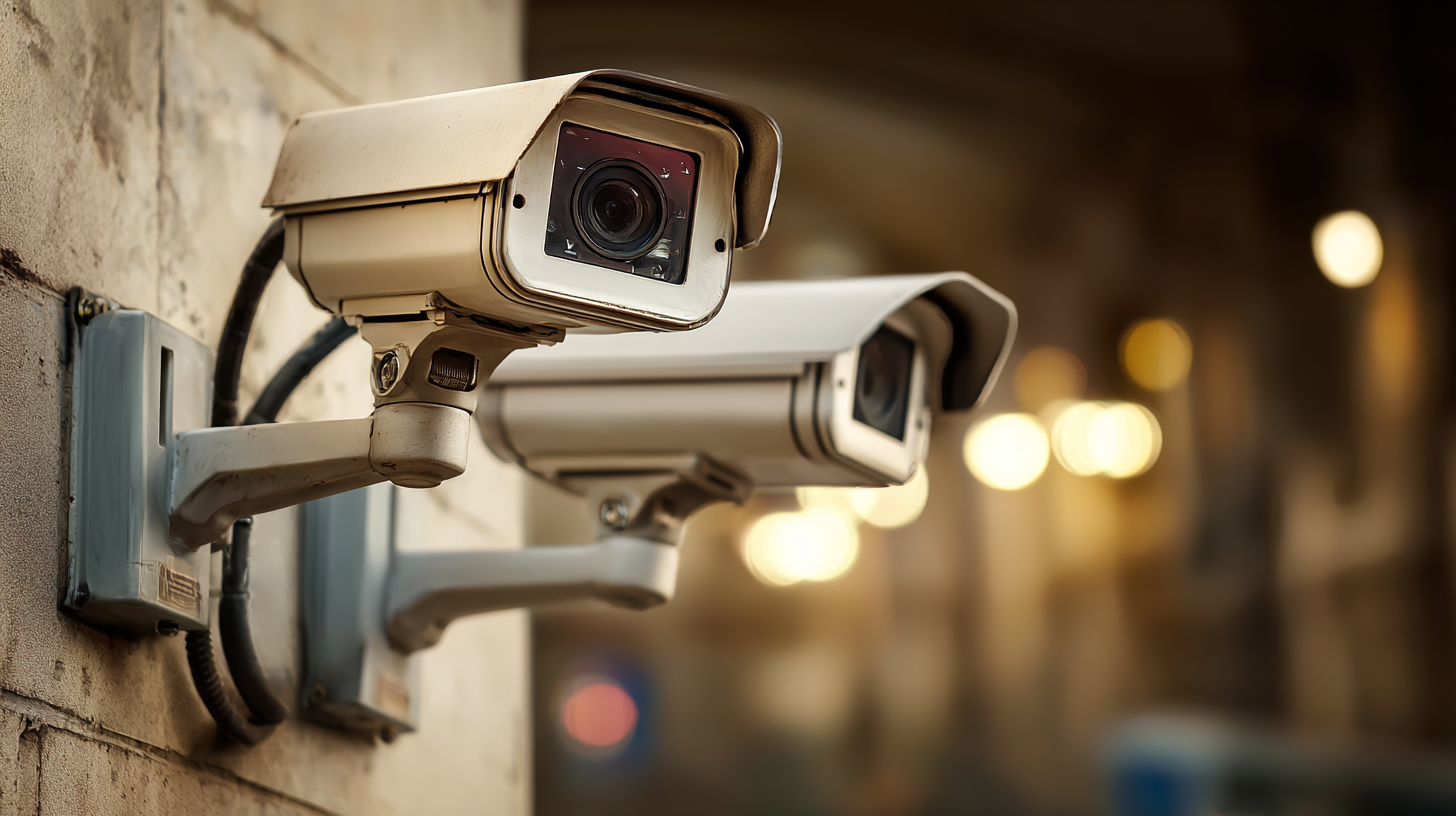
On the flip side, hiring a pro to do the installation offers peace of mind. Experts know the ins and outs, so they’ll make sure your cameras are positioned just right for the best coverage. They’re familiar with local rules and best practices too, which can really boost how well your security system performs. Sure, it might cost more upfront, but it can save you a lot of trouble later on — no guessing, no second-guessing. Ultimately, whether to go the DIY way or hire someone depends on how comfortable you feel with tech stuff and how complex your security needs are. It’s all about what suits you best — simple or more hands-off.
FAQS
: You should evaluate the unique risks your home faces, such as neighborhood crime rates, property layout, and specific vulnerabilities like unlit areas or easy access points.
Prioritize areas that pose the most risk, such as the front door, backyard, or basement, based on your thorough evaluation of vulnerabilities.
Look for cameras that provide infrared night vision, as they can capture clear images in low-light conditions, which is critical for nighttime surveillance when most break-ins occur.
High-resolution video is crucial for better identification in case of incidents, with 1080p (Full HD) or higher recommended for capturing more detail like faces or license plates.
Verify that the security camera supports the same smart home protocols as your existing devices and consider camera models that are compatible with the Matter smart home standard for easier integration.
Choose cameras that offer both color night vision and black-and-white modes to ensure comprehensive coverage during nighttime.
Integration allows for synchronized operation with other smart devices, simplifies management, and enhances security, providing greater flexibility and control over your home security setup.
Mobile notifications are important if you are often away from home, as they allow you to stay informed about security events in real-time.
Strike a balance between coverage, quality, and advanced features that align with your lifestyle and budget to ensure effective home protection.
Yes, review systems designed for compatibility with popular voice assistants to enhance control and flexibility over your home security setup.
Conclusion
Picking out the right security cameras for your home isn't just about grabbing the fanciest tech — it's about really understanding what you need and assessing the risks you’re up against. Start by checking out different types of cameras, like wired vs. wireless, and don’t forget to look at features that matter, like good resolution and night vision. Plus, it’s super helpful if your cameras can sync up smoothly with your existing smart home setup — makes everything work together way better.
Money talks, right? So, figuring out your budget is a big deal. You want to find that sweet spot where quality doesn’t break the bank but still gets the job done. And hey, don’t overlook the whole installation thing. Are you comfortable setting things up yourself, or would it be worth paying a pro to get everything just right? When you keep these things in mind, you'll be on your way to making your home safer with solid camera options. And if you're curious, Shen Zhen You Xiang Da Technology Co., Ltd. offers some pretty cool, innovative gadgets that could be just what you need.