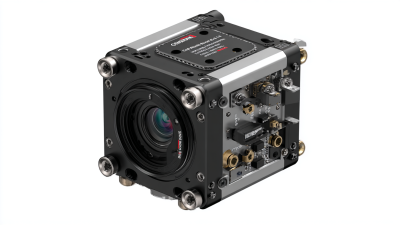
In today’s fast-moving tech world, the Raspberry Pi Camera really stands out as a versatile and popular pick—whether you're just tinkering on your own or working professionally. As we take a closer look at how it stacks up against other similar devices, it’s worth mentioning the main reasons folks love it: affordability, how easy it is to use, and the strong support from the community. At Shen Zhen You Xiang Da Technology Co., Ltd., we focus on top-notch CMOS Camera Modules and are always pushing to innovate and stay ahead of the game. We totally get what makes theRaspberry Pi Camera special—it's a fantastic tool for personal projects and can even compete with some of the fancier, more advanced options out there. In this review, I’ll share some insights into how it compares with other cameras, highlighting what really makes it stand out when it comes to imaging tech.
Raspberry Pi Camera Specifications and Features Overview
The Raspberry Pi Camera has really come a long way over the years. It's got some pretty impressive specs now, making it great for both hobbyists and pros who want to play around with photography or add camera features to their projects. The latest version, the Camera Module v3, packs some serious tech—like a 12MP sensor that captures stunning images, plus cool upgrades such as autofocus and HDR. Honestly, these features make it super tempting for anyone looking to experiment with taking photos or building advanced projects.
And let’s not forget the fun part—interchangeable lenses! You can switch things up with options like 6mm and 16mm lenses, giving you the freedom to shoot wide landscapes or get really close for detailed shots. As the Raspberry Pi ecosystem keeps expanding, this camera remains a top pick.
Sure, there are other options out there with different specs, but they often don’t quite match the mix of quality and versatility that this little camera offers. It’s just hard to beat that combo, you know?
Comparative Analysis of Raspberry Pi Camera and Alternative Devices
When you compare the Raspberry Pi camera to other similar devices, it’s pretty interesting to see the whole landscape of tech options out there. As more folks look for high-quality imaging solutions—whether for hobby projects or more serious setups—it’s important to see how these gadgets stack up. The Raspberry Pi camera has become a favorite among hobbyists and developers, mainly because it’s affordable and super flexible to set up. That said, you’ve got alternatives like the ESP32-Cam and even some specialized IoT devices, which are quickly gaining ground with their own cool features tailored for specific needs.

Looking at performance, things like resolution, how well they perform in low light, and how easily they can be integrated are really what matter most. Thanks to recent improvements in optical sensors, these competing gadgets now pack a punch and can handle everything from wildlife monitoring to farm management. For example, many of these devices come with integrated AI processing, allowing for real-time analysis and making them more effective in fast-changing environments. Plus, the push towards using IoT tech in agriculture shows we're moving toward smarter, more sustainable farming. In these scenarios, the camera choice actually makes a big difference in how well data gets collected and how accurate it is. So, while the Raspberry Pi camera is versatile and reliable, we also need to keep an eye on these new innovations that are pushing the boundaries of what's possible.
Performance Metrics: Image Quality, Frame Rate, and Resolution Tests
When you're comparing the Raspberry Pi Camera to other options out there, factors like image quality, frame rate, and resolution really matter to figure out what’s best for your project. Honestly, the Raspberry Pi Camera does a great job capturing vibrant colors and sharp details, which is why it's a hit among both DIY folks and pros alike. It can take high-resolution shots—up to 12 MP—and still performs pretty well even in low-light situations, which definitely sets it apart. That said, some competitors offer higher frame rates, so if you’re into smooth video, especially when recording fast-moving stuff or for security cams, they might catch your eye more.
A few tips to get the most out of your Raspberry Pi Camera: try tweaking the exposure based on your lighting conditions, and experiment with different lenses to match your specific project needs. Playing around with the ISO can really boost your low-light shots, making them clearer and more detailed. And just a quick heads-up—while a higher frame rate sounds tempting, focusing on it too much might actually hurt your image quality. Finding the right balance between video smoothness and picture clarity is key. Also, choose your resolution wisely—align it with what your project requires. That way, you'll save on storage and processing power without sacrificing the quality you need.
Usability: Setup, Software Compatibility, and User Experience
When you're looking into how user-friendly camera tech can be, especially stuff like the Raspberry Pi Camera, a few key things really stand out. First off, setting it up should be smooth and hassle-free — nobody wants to tangle with complicated instructions straight out of the box. Luckily, the Raspberry Pi Camera does pretty well here; you just connect it up and you're ready to start snapping photos in no time. But, of course, it’s also super important to think about software compatibility and how easy it is to use. The whole Raspberry Pi ecosystem is pretty great because it supports a bunch of programming languages and software tools, making it accessible whether you’re just starting out or you're a really experienced coder. That kind of flexibility isn’t just useful — it sparks creativity too, letting users try out different projects and ideas.
And usability isn’t just about the setup or the software. It’s also about how intuitive the device feels during everyday use. The camera’s small size, combined with solid documentation and a supportive community, really helps make things smoother and more enjoyable. When you have helpful resources and a vibrant community backing you up, it’s no wonder the Raspberry Pi Camera stands out from the crowd. Focusing on making things easy and user-friendly not only keeps people engaged but also encourages curiosity, which is what drives innovation and new ways of exploring imaging technology.
Cost-Effectiveness: Evaluating Price vs. Performance Across Options
In today’s world of all things tech, picking the right camera for your projects isn’t always straightforward. It often comes down to finding that sweet spot between wallet-friendly and performance-ready. The Raspberry Pi Camera has really carved out its spot in the DIY scene, mainly because it’s affordable and super versatile. When you're weighing the price against what it can do, it’s important to think not just about the upfront cost, but also how you plan to use it long-term and what kinds of projects you’re tackling. What makes the Raspberry Pi Camera even more appealing is how easily it works with different Raspberry Pi models. It’s a hit among hobbyists and teachers because it offers decent image quality without breaking the bank—way cheaper than some of the more high-end options out there.
That said, if you're looking at more established brands, you’ll find they often come with extra bells and whistles—like sharper sensors, better low-light shots, or fancy connectivity features—which might justify the steeper price tag, especially if you're in a professional setting. Sure, these premium cameras can produce outstanding quality, but the real question is whether those extra features are worth the extra bucks. For anyone working on a tight budget or just doing casual projects, the Raspberry Pi Camera really shows that you don’t have to sacrifice too much on performance to keep things affordable. In the end, it all boils down to what you actually need for your project. Different users—whether hobbyists or pros—will have their own priorities, and that’s totally normal.
Cost-Effectiveness Comparison of Camera Options
This chart compares various camera options based on their price and performance ratios. The data represents the cost (in USD) and average performance score (out of 100) for each option.
Exploring the Benefits of the 140° Ultra Wide Angle Motion Camera Module for Innovative Applications
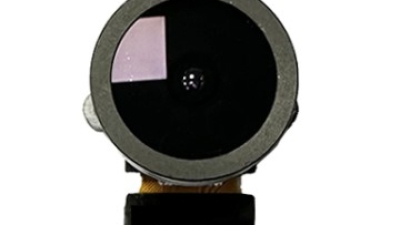
The 140° Ultra Wide Angle Motion Camera Module presents an innovative solution for various applications, particularly in the realm of industrial robot vision systems. Its design focuses on low power consumption, which is a critical factor for enhancing the efficiency of any automated system. By incorporating this camera module, industries can reduce energy costs while ensuring that their machinery operates effectively around the clock.
Moreover, the low image distortion characteristic of the 140° Ultra Wide Angle lens allows for a clearer and more accurate representation of the camera’s surroundings. This is particularly beneficial for robots navigating complex environments, enabling them to make precise decisions based on visual input. Additionally, the high sensitivity of the camera module enhances its performance in a variety of lighting conditions, ensuring uninterrupted functionality even in less-than-ideal scenarios.
These features make the 140° Ultra Wide Angle Motion Camera Module an essential component for advancing industrial automation and robotics. As industries continue to explore cutting-edge technologies, integrating such innovative camera systems can significantly enhance operational capabilities, improve safety, and drive productivity forward.
FAQS
: The main performance metrics include image quality, frame rate, and resolution. The Raspberry Pi Camera excels at capturing vibrant colors and sharp details.
The Raspberry Pi Camera can capture high-resolution images up to 12 MP.
The Raspberry Pi Camera has decent low-light performance, which can be enhanced by adjusting ISO settings.
Tips include adjusting exposure settings for different light conditions, using appropriate lenses, experimenting with ISO for low-light quality, and balancing frame rate and image quality.
The Raspberry Pi Camera is more affordable and offers decent image quality, making it a popular choice for DIY projects, while more advanced competitors may have enhanced features at a higher price.
Users should consider the initial cost, potential applications, long-term use, and specific project requirements when evaluating price versus performance.
While the Raspberry Pi Camera offers good performance for its price, it may lack some of the advanced features found in more established brands, such as higher resolution sensors and better connectivity options.
The Raspberry Pi Camera is particularly suited for DIY enthusiasts, hobbyists, and educational purposes, where affordability and versatility are important.
Overemphasizing frame rate can compromise image quality; achieving a balance between frame rate and image quality is essential for optimal results.
The seamless integration of the Raspberry Pi Camera with various Raspberry Pi models makes it an attractive option for users in the maker and tech communities.
Conclusion
Today, let’s take a closer look at the Raspberry Pi Camera and see how it stacks up against other devices out there. In this blog, I’ll walk you through its main specs and features, and compare it with some alternatives too. We’ll be checking out things like image quality, frame rate, and resolution to see how well it performs across different uses. Usability is another big point—things like how easy it is to set up, whether it plays nicely with software, and what the overall user experience is like. Oh, and we’ll also talk about value for money—helping you figure out if it’s worth the price compared to what you get.
As a leader in the CMOS camera module space, Shen Zhen You Xiang Da Technology Co., Ltd. is all about pushing innovation and aiming for top quality. Our insights on the Raspberry Pi Camera reflect our bigger mission—delivering high-quality products that really perform, which is what keeps us strong and respected in this competitive tech world.