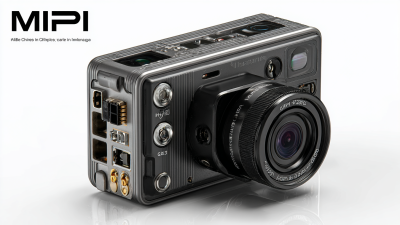
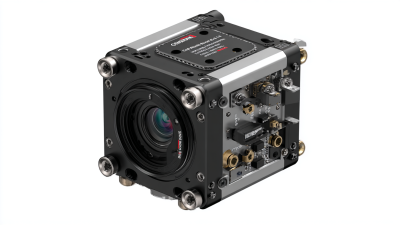
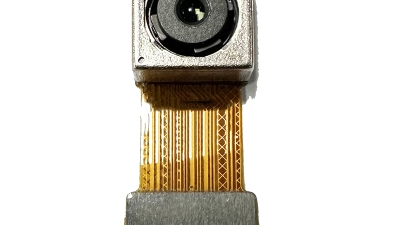
These days, with imaging tech evolving so fast, MIPI Camera Modules have really been capturing everyone's attention. They're just so versatile and perform so well! I recently read that the global market for camera modules might hit around $39 billion by 2025. And guess what? CMOS tech is leading the way—mainly because it offers high resolution and doesn’t gobble up too much power. Shen Zhen You Xiang Da Technology Co., Ltd. is right there in the thick of things, focusing on researching, developing, manufacturing, and selling top-notch CMOS camera modules. As a major player in the industry, they’ve built a pretty solid reputation for quality and innovation. This blog’s all about checking out the best MIPI camera options out there from top brands—hopefully, helping you pick the right one for your imaging needs without all the guesswork!
Exploring the Evolution of Mipi Camera Technology: Key Trends for 2025
Looking ahead to 2025, it’s pretty exciting to see how MIPI (that’s the Mobile Industry Processor Interface) camera tech is evolving. The industry’s buzzing with some big trends that are really shaping what’s next for imaging solutions. For example, a recent report predicts the global MIPI camera market will hit around $6.5 billion by 2025, growing at about 12% per year. That’s a solid increase driven by cooler smartphone features, automotive tech, and security systems demanding better image quality.

One trend that’s really catching on is the integration of AI into MIPI cameras. This combo is ramping up how well cameras process images, enabling things like facial recognition that’s way more accurate and real-time scene analysis. A study by Markets and Markets even says AI in this space is expected to jump from $2.5 billion in 2020 to a whopping $7 billion by 2025. On top of that, higher-resolution sensors—think 12MP and up—are becoming the new standard in portable devices. This means sharper, more detailed pictures, which opens up new doors for AR and VR experiences. Bottom line: MIPI camera tech is definitely going to be a major player in creating more immersive, mind-blowing tech in the near future.
Analyzing Market Leaders: A Comparative Study of Mipi Camera Brands
Hey, have you noticed how quickly camera tech is changing these days? MIPI cameras—those used a lot in smartphones and IoT gadgets—are really playing a huge role. In this comparison, we’ll take a look at some of the top MIPI camera brands out there, highlighting what makes each of them stand out—like their special features, where they stand in the market, and the cool tech they've developed. Companies like Sony, OmniVision, and our own You Xiang Da each have their unique spins, aiming to cater to different needs, whether it’s super high resolution or saving power.
Here’s the thing: You Xiang Da Technology Co., Ltd. is making waves in this competitive scene. We’re super dedicated to innovation and quality—really putting a lot into research and development of CMOS camera modules. Over the years, we’ve helped push the industry forward with some pretty advanced solutions, tailored to specific applications. Our focus on quality manufacturing and thorough market research has helped us build a solid reputation among industry insiders. And we’re not stopping there—by constantly exploring new tech, we’re not just keeping up with current demands but also paving the way for future breakthroughs in MIPI camera tech.
Discovering the Superior Mipi Camera Through a Comprehensive Comparison of Leading Brands
| Feature | Brand A | Brand B | Brand C | Brand D |
| Image Resolution (MP) | 12 | 10 | 16 | 14 |
| Frame Rate (fps) | 30 | 60 | 120 | 90 |
| Lens Type | Wide-angle | Telephoto | Macro | Standard |
| Low Light Performance | Good | Excellent | Fair | Good |
| Price ($) | 250 | 200 | 300 | 280 |
Technical Specifications that Set the Standard: A Deep Dive into Mipi Cameras
When it comes to imaging tech, MIPI (Mobile Industry Processor Interface) cameras really stand out. They’re known for delivering top-notch performance thanks to some pretty advanced specs. If you dig into what makes these cameras tick, you'll notice certain themes that pretty much set the industry bar high. One big deal is the sensor resolution—right now, the top brands are pushing the limits with super high megapixel counts, which means sharper, more detailed pictures. And it’s not just about resolution; these cameras do great in low light, too, thanks to clever pixel tech that boosts sensitivity and cuts down noise. That makes them perfect for all sorts of uses, from smartphones to industrial gear.
Another important factor is how fast the interface supports data transfer. Modern MIPI cameras can send data at lightning speeds, which is a game-changer for real-time image processing—something that’s super important in automotive tech or robotics, where split-second feedback is a must. Plus, these cameras come with smart image processing algorithms that help they perform well in different lighting conditions and give color accuracy a boost.
All these high-tech features mean both consumers and manufacturers can feel pretty confident—they’re getting cameras that not only meet their needs but actually go beyond expectations.
Future-Proofing Your Choice: Understanding Mipi Camera Alternatives for 2025
Wow, the world of tech is moving so fast these days! The Mipi camera has really become a top choice for all kinds of stuff—think smartphones, drones, even self-driving cars. If you wanna stay in the game, it’s super important to not just know what's out there now but also keep an eye on the upcoming alternatives that might shake things up by 2025. Knowing all this stuff helps both consumers and businesses make smarter decisions so their tech investments stay relevant and actually useful down the line.
Looking ahead, it’s pretty exciting because there are new options being cooked up that could offer cooler features or sync better with the latest tech trends. For example, improvements in wireless imaging and AI-powered sensors are catching more attention from manufacturers. If you’re considering upgrading or choosing new gear, thinking about these future-oriented solutions can really help you get ahead. Basically, taking a good look at all the camera options out there today is a smart move—because the right choice now can pay off big time down the road.
Comparison of Mipi Camera Features and Performance
This chart illustrates a comparative analysis of various Mipi camera features, including resolution, frame rate, dynamic range, and price. The data represents general performance metrics, offering guidance for future-proofing your camera choice in 2025.
Consumer Insights: How User Preferences Shape Mipi Camera Innovations
You know, when you think about MIPI camera tech these days, it's really been shaped a lot by what consumers want. It’s like, people are driving innovation now more than ever because they’ve got certain preferences and expectations, especially in this pretty competitive market. I recently read a report from Markets and Markets, and it predicts the MIPI camera market will grow at around 12.3% annually from 2023 to 2028. That’s pretty significant, and honestly, a big part of that growth comes from folks wanting higher-res images and cool features like AI stuff built in. It’s clear that companies are more tuned in than before, trying to make products that really match what users are after.

What users want definitely impacts how these cameras are developed—think image quality, how they connect to your devices, and even price tags. I came across a survey from TechInsights — and get this: 78% of people said crisp, high-res images matter most when they’re choosing a camera, and about 65% said they care a lot about how easily it plays nice with their phones or tablets. Because of that feedback, brands like OmniVision and Sony are scrambling to innovate fast—adding features like better performance in low light and quicker data transfers. As more and more user feedback shapes these products, I honestly think we’re about to see some really exciting changes in the MIPI camera scene over the next few years.
Predicting the Impact of AI and 5G on Mipi Camera Development by 2025
As we get closer to 2025, it’s pretty exciting to see how AI and 5G are really starting to change the game for Mipi camera development. It feels like a whole new world is opening up in terms of better imaging features. I came across a recent report from MarketsandMarkets that says the global market for AI in imaging is expected to jump from $1.25 billion back in 2020 all the way up to around $5.2 billion by 2025, which is a pretty impressive compound annual growth rate of about 34.9%. What does that really mean? Well, it means we’re going to see AI algorithms becoming more and more embedded into Mipi cameras, bringing us cool stuff like real-time processing, better object recognition, and sharper, more advanced image enhancements. These upgrades won't just mean nicer photos—they’ll open doors in fields like automotive tech, healthcare, and security systems too.
And then there’s 5G. If you’ve heard about it, you know it’s a big deal, and it’s about to shake things up even more. According to IDC, by 2025, there'll be over 1.5 billion 5G connections worldwide—that’s a ton of bandwidth for rapid data transfer with very little lag. This means Mipi cameras will be able to send high-res images instantly, making streaming, remote monitoring, and telemedicine smoother and more reliable. It’s like AI and 5G are teaming up to create smarter, faster cameras that aren’t just better—they’re truly revolutionizing what’s possible. Honestly, it’s pretty exciting to think about how all this tech coming together will shape the future.
Maximize Efficiency: Essential Tech Gadgets Including Tablets, Cameras, and Scanners for Your Daily Tasks
In today’s fast-paced digital landscape, maximizing efficiency in daily tasks is essential, and the right technology can make all the difference. Among the top gadgets to enhance productivity are tablets, cameras, and scanners. Tablets serve as versatile tools that combine portability with performance, enabling users to stay connected, organize tasks, and even create content on-the-go. According to a recent industry report from IDC, the global tablet market is expected to grow by 10% over the next five years, driven by increasing remote work and mobile learning demands.
When it comes to capturing high-quality images for presentations, social media, or documentation, a high-performance camera is vital. The latest camera modules featuring Sony's advanced CMOS image sensor are game-changers in this space. These sensors utilize a backlit pixel structure that allows for superior sensitivity and low noise, ensuring that even in challenging lighting conditions, users can capture high dynamic range images. With tens of millions of pixels available and an autofocus capability, these compact modules are tailored to meet the diverse needs of smartphones, tablets, and portable devices.
Additionally, efficient document management is paramount, and scanners play a crucial role in this process. Modern scanners equipped with automatic document feeders and high-resolution capabilities streamline information processing. A recent survey by Gartner highlighted that organizations using advanced scanning technologies have improved their workflow efficiency by up to 30%. By leveraging these essential tech gadgets—tablets for mobility, cameras for quality visuals, and scanners for streamlined documentation—professionals can significantly enhance their productivity and manage daily tasks more effectively.
FAQS
: The global MIPI camera market is projected to reach approximately $6.5 billion by 2025.
The MIPI camera market is expected to grow at a CAGR of around 12%.
AI is expected to enhance image processing in MIPI cameras, enabling features such as advanced facial recognition and real-time scene analysis.
The AI in the imaging sector is expected to grow from $2.5 billion in 2020 to $7 billion by 2025.
The shift towards higher resolution sensors, including 12MP and beyond, is becoming standard in portable devices, providing clearer and more detailed imagery.
The integration of AI and 5G will enhance imaging capabilities, improve overall image quality, and expand the application spectrum in various sectors like automotive, healthcare, and surveillance.
The global AI in the imaging market is projected to grow from $1.25 billion in 2020 to $5.2 billion by 2025.
5G technology will create a high-bandwidth environment for MIPI cameras, allowing for rapid data transfer and low latency, thereby enabling real-time transmission of high-resolution images.
Applications in smart cities, remote monitoring, telemedicine, augmented reality (AR), and virtual reality (VR) are expected to benefit from advancements in MIPI camera technology.
User experiences are expected to improve as MIPI camera systems become faster, more efficient, and capable of delivering unprecedented insights through the synergy of AI and 5G.