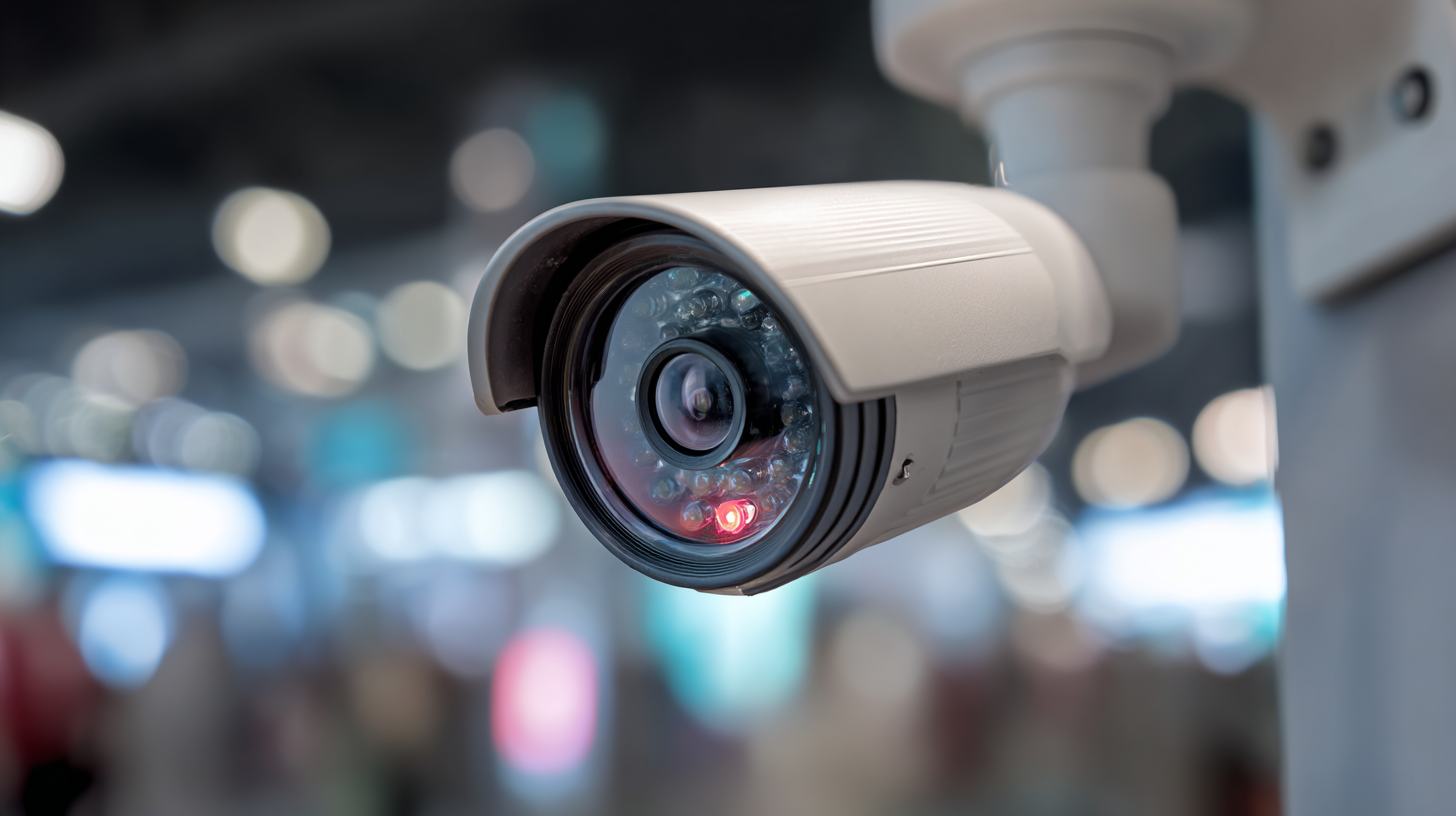
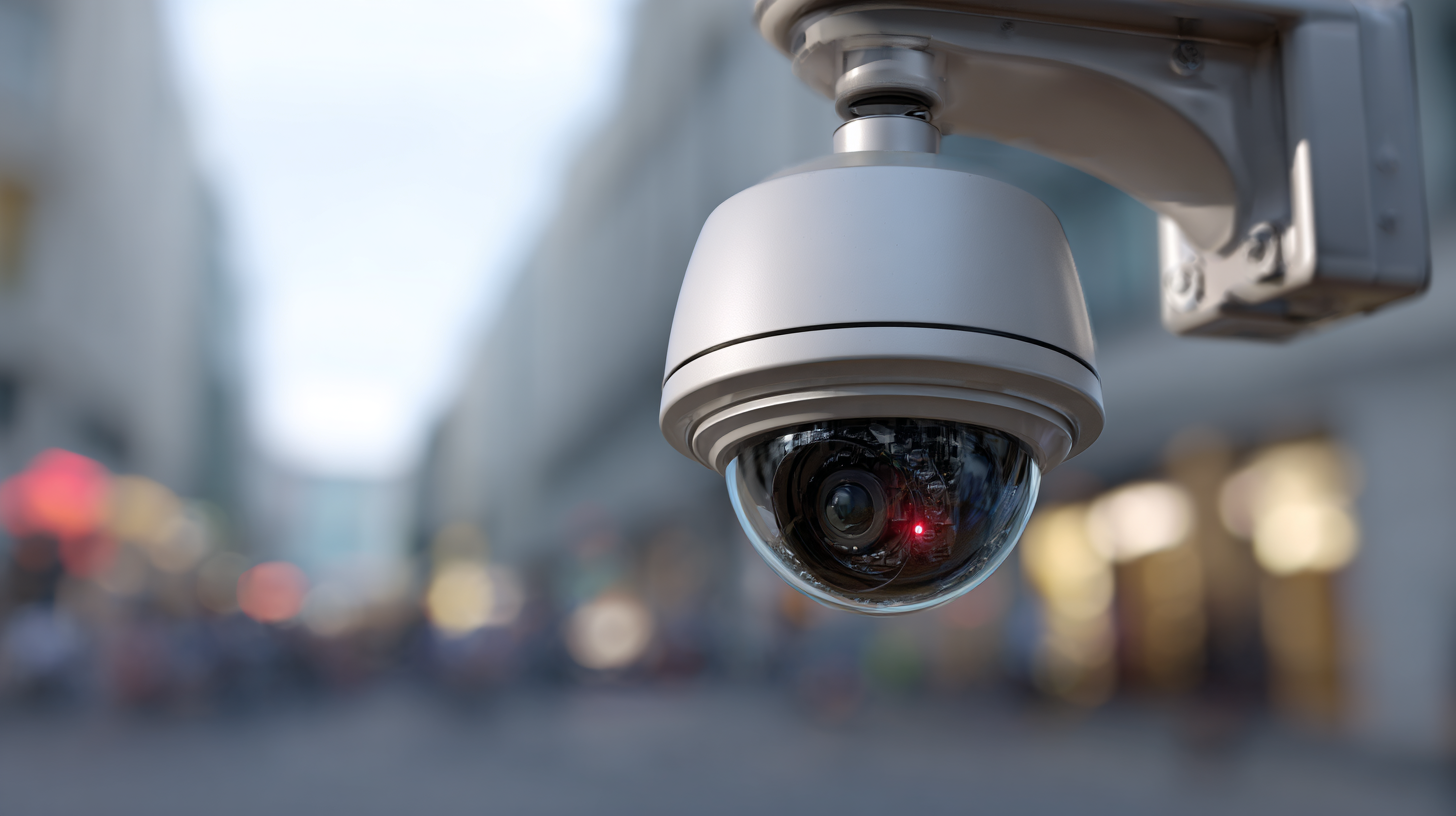
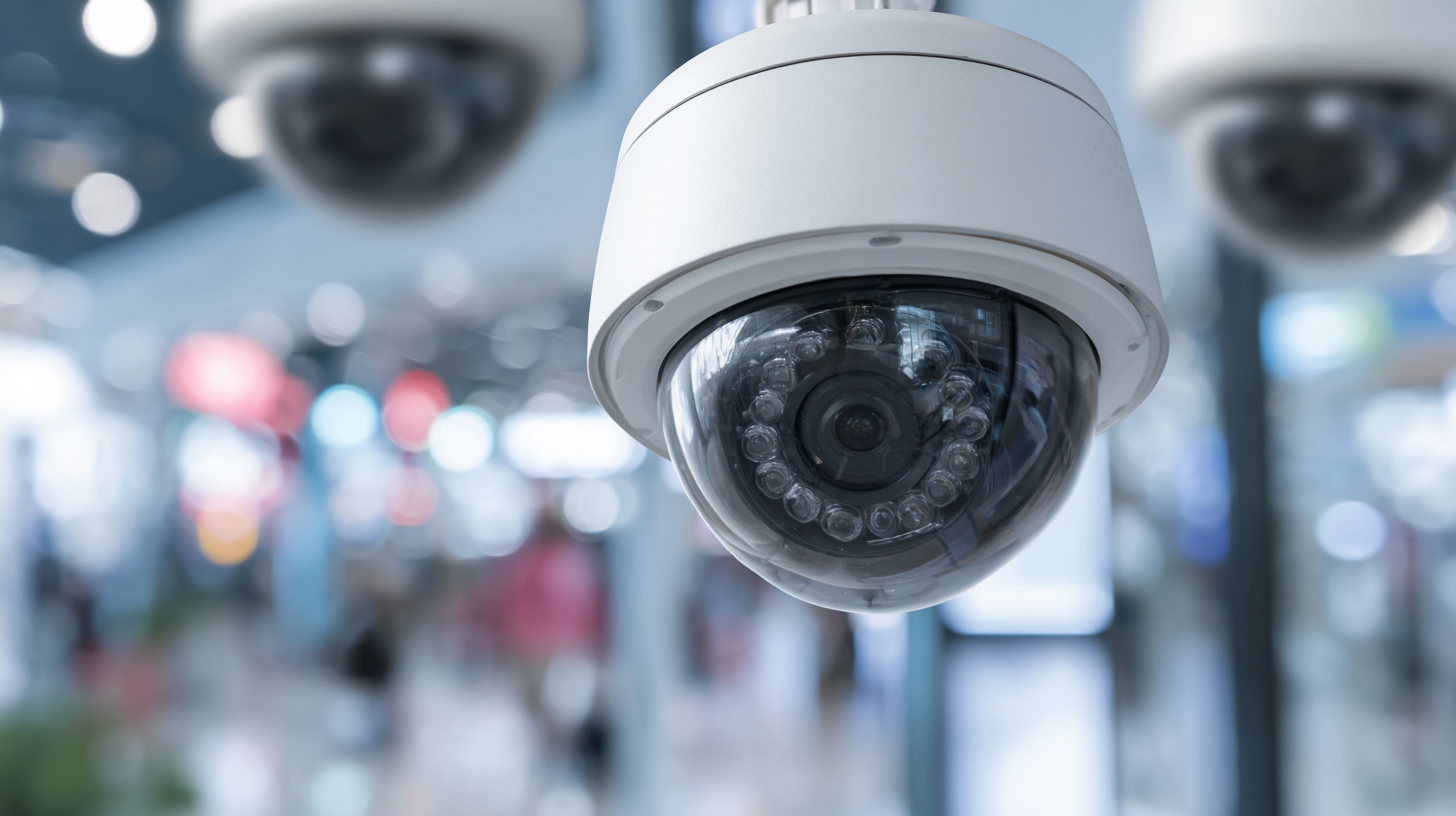
These days, keeping your home secure is a top priority for many folks, and that means choosing the right Ip Camera is really important. Did you know that the global market for these cameras is expected to hit around$15.3 billion by 2025? That growth is mostly thanks to new tech and more people wanting better security options. If you're wondering who's leading the pack, Shen Zhen You Xiang Da Technology Co., Ltd. is definitely a name to know—specializing in top-notch CMOS Camera Modules that you can count on for quality and innovation.
Modern IP cameras come packed with features like remote viewing, night vision, and motion alerts, giving homeowners peace of mind like never before. Whether you’re just trying to figure out which model suits you best or want to understand what specs really matter, this guide is here to help you make smarter decisions to set up your home security just right.
Key Features to Consider When Selecting an IP Camera for Home Security
Choosing the right IP camera for your home security isn’t just about picking any device off the shelf — it’s about really thinking through a few key features that can make a big difference in keeping you safe. For starters, resolution is super important; going with an HD camera means you'll get clearer images, which is especially helpful if you ever need to identify someone sneaking around. Night vision is another must-have — it lets you keep an eye on things 24/7, no matter how dark it gets outside. And if you want to step up your security game even more, look for cameras that come with motion detection and two-way audio. It’s pretty handy to get alerts immediately and be able to talk to anyone near the camera if needed — kinda like having a security guard right at home.
By the way, the wireless home security camera market is really booming — it’s expected to hit around $9.8 billion in 2024, with a growth rate of over 13.6% each year from 2025 to 2034. That just goes to show how much people are into smart home tech these days. When you’re choosing a camera, it’s worth sticking with brands that are known for quality and innovation. Companies that specialize in top-notch CMOS camera modules are often leading the charge with features that keep up with what homeowners need today. Picking the right IP camera isn’t just about security — it’s about peace of mind, and making sure everything fits nicely into your smart home setup.
Understanding Video Quality: Resolution and Frame Rate Explained
So, when you're picking out an IP camera for your home security setup, it's really helpful to get a grasp on video quality — especially the stuff about resolution and frame rate. Basically, resolution is all about how many pixels make up the picture you’re seeing. The higher the pixel count, like 1080p or even 4K, the sharper and more detailed the image will be — think clear enough to catch faces or read license plates. Honestly, going for at least 1080p is a solid bet. It gives you a good mix of clear visuals without hogging your internet, keeping everything running smoothly.
Now, about frame rate — that’s measured in frames per second, or fps. It’s what makes the video look smooth and natural. If you go for something like 30 fps, the motion will look pretty fluid — which is super important if you need to follow fast-moving folks or objects. That said, bumping up the fps also means you'll need more storage space and bandwidth, so it’s all about finding that sweet spot. Bottom line? Balancing resolution and frame rate is key — it’s the best way to get good quality footage without overloading your system. Trust me, a little thought here goes a long way in setting up an effective home security system that doesn’t leave you with headaches later on.
The Ultimate Guide to Choosing the Perfect Ip Camera for Your Home Security
Camera Model
Resolution
Frame Rate
Field of View
Night Vision
Model A
1920 x 1080 (1080p)
30 fps
90 degrees
Yes
Model B
1280 x 720 (720p)
25 fps
75 degrees
No
Model C
2560 x 1440 (1440p)
30 fps
110 degrees
Yes
Model D
3840 x 2160 (4K)
15 fps
90 degrees
Yes
Model E
1920 x 1080 (1080p)
60 fps
120 degrees
Evaluating Connectivity Options: Wired vs. Wireless IP Cameras
When you're trying to pick out the perfect IP camera for your home security setup, one of the first things you’ll probably think about is how it connects—wired or wireless. According to a report from MarketsandMarkets, the global IP surveillance market is expected to hit around $73.5 billion by 2024, and a lot of that growth is thanks in part to the rising popularity of wireless tech. Wireless Cameras are pretty popular because they’re super easy to install and give you a lot of flexibility when it comes to placement. You can keep an eye on different areas of your home without being limited by cables running everywhere.
That said, wired IP cameras still hold their ground, mainly because they tend to be more reliable and generally deliver better video quality. A study by IHS Markit points out that wired setups usually have lower latency and are less likely to get affected by interference, which makes them a solid choice if you’re really serious about security. Plus, even though wireless cameras can sometimes have bandwidth issues, wired ones connect straight to your network, so you get a steady, uninterrupted feed.
At the end of the day, choosing between wired and wireless really comes down to what you need—think about your home’s layout, your budget, and how concerned you are about security risks. It's all about finding what works best for you.
The Ultimate Guide to Choosing the Perfect IP Camera for Your Home Security
The Importance of Night Vision: Types and Their Effectiveness
So, when you're picking out an IP camera for home security, one feature you definitely don’t want to overlook is night vision. I mean, did you know that the global market for surveillance cameras is expected to hit around $40.5 billion by 2026? That’s a huge jump, mostly because of all the cool new tech in night vision. Basically, night vision lets your cameras see clearly even when it’s dark outside—that’s pretty important if you wanna keep an eye on your place after sunset. There are mainly two types—infrared (IR) and low-light. IR cameras use LEDs to light up the area, so they can see in total darkness, while low-light cameras can actually capture color images even in pretty dim conditions.
Honestly, how well these work really can make a difference in your home security. A report from the Security Industry Association pointed out that over 70% of burglaries happen at night—that’s enough to make you wanna pay attention to that night vision feature. Usually, IR cams give you the best clarity in complete darkness, but low-light ones often do a better job with color detail when it’s just a bit dim outside. Knowing the differences between these options can help you make smarter choices about which camera actually fits your needs. Bottom line, it's all about making sure your stuff’s protected—whether it’s day or night.
Storage Solutions for IP Cameras: Cloud vs. Local Storage Options
When you're trying to pick the perfect IP camera for your home security setup, one big thing to think about is where you’re gonna store the footage — cloud or local storage. These days, more folks are leaning towards local storage options like MicroSD cards or NAS devices because they can avoid paying those ongoing subscription fees that cloud storage usually comes with. I’ve seen reports showing that homeowners are really starting to favor cameras with local storage capabilities, mainly because it gives them way more control over their videos and saves money in the long run. Some high-end models even let you store footage locally without any recurring costs, making them not just budget-friendly but also a smart choice if you're big on privacy.
Plus, a lot of experts point out that local storage often beats cloud options in terms of video quality and reliability. Devices that record in 4K and use local storage are a perfect example — they avoid the lag and limitations sometimes found with cloud services. And let’s not forget the newer solar-powered cameras that record directly to local network storage; they’re pretty cool because they combine advanced features with independence from power outlets. Overall, going the local route can make it easier to access your footage, keep it safer from hacking or unauthorized access, and give you more peace of mind knowing your home security system’s reliable and private.
Budgeting for Home Security: Average Costs and ROI of IP Cameras
When you're looking into the average costs and what kind of return on investment (ROI) you might get from installing IP cameras at home, your budget becomes pretty important. Usually, IP cameras can cost anywhere from about 50 bucks all the way up over 300, depending on what features you're after—things like video quality, night vision, and how they connect. Now, yeah, it’s tempting to just go for the cheapest one, but honestly, spending a bit more on a reliable camera can really boost your home's security and give you some peace of mind.
Here’s a little tip—think about what you actually need. If you’re living in a neighborhood with higher crime rates, it might be worth splurging a bit on one with some extra fancy features. Also, it helps to consider the long-term benefits. Sometimes, a camera that costs more upfront—say, one with continuous recording or cloud storage—might seem pricey now, but it could save you problems down the line.
Figuring out the ROI is about weighing the potential losses from theft or damage against what you’re investing in the security system. A lot of homeowners find that shelling out for an IP camera really pays off when it stops a break-in or helps recover stolen stuff. Plus, don’t forget that some insurance companies actually give discounts if your home is equipped with security gear—so over time, those savings add up too.
FAQS
: What is video resolution and why is it important for IP cameras?
: Video resolution refers to the number of pixels in the video image. Higher resolutions, like 1080p or 4K, provide clearer images essential for identifying faces or license plates, making it important for effective home security.
What is the recommended resolution for home security cameras?
A camera with at least 1080p resolution is recommended as it strikes a balance between clarity and bandwidth usage, ensuring stable video feeds without consuming excessive network resources.
How does frame rate affect the quality of video from an IP camera?
Frame rate, measured in frames per second (fps), affects how smooth the video appears. A higher frame rate, such as 30 fps, allows for fluid motion tracking, which is important for following fast-moving subjects in security scenarios.
What trade-offs should be considered when selecting the frame rate for a camera?
While higher frame rates improve visual tracking, they require more storage and bandwidth. Therefore, it's important to find a balance between frame rate and resolution to optimize the quality of surveillance footage.
What are the advantages of using wireless IP cameras?
Wireless IP cameras offer ease of installation and flexibility in placement, allowing homeowners to monitor areas without the limitations of cabling.
What are the benefits of wired IP cameras compared to wireless ones?
Wired IP cameras are known for their reliability and superior video quality, delivering lower latency and being less susceptible to interference, making them ideal for high-security environments.
How can the choice between wired and wireless IP cameras affect my home security setup?
The choice between wired and wireless cameras depends on specific needs such as layout, budget, and sensitivity to security risks, impacting installation, reliability, and overall video quality.
Are there any limitations associated with wireless IP cameras?
Yes, wireless cameras may experience bandwidth issues that can affect video quality, unlike wired systems which connect directly to the network for a stable and uninterrupted feed.
What factors should homeowners consider when choosing an IP camera?
Homeowners should consider resolution, frame rate, connectivity type (wired vs. wireless), layout of their home, budget, and any specific security concerns they may have.
Conclusion
When you're thinking about getting an IP camera for your home security, there are a few key features you’ll want to keep in mind. For starters, the resolution and frame rate really make a difference — they determine how clear the footage is when something happens. And it's worth considering whether a wired or wireless setup works better for your place; each has its own perks depending on your home's layout. Night vision? Totally essential if you wanna keep an eye on things around the clock. Plus, storage options—whether you go with cloud services or local drives—give you some flexibility in how you handle your recordings.
Budget is also a big deal here. It influences what kind of camera you can get and how much security you’re actually securing. Brands like Shen Zhen You Xiang Da Technology Co., Ltd. put a lot of emphasis on high-quality CMOS camera modules, making sure you’re getting tech that doesn’t just meet but often beats market standards. Overall, if you weigh these factors carefully and pick the right IP camera, you’ll boost your home security in a pretty meaningful way.
Sophie is a dedicated marketing professional at Shenzhen Youxiangda Technology Co., Ltd., where she utilizes her extensive expertise to drive the company's success in the competitive tech landscape. With a strong background in digital marketing and a keen understanding of the technology sector,......